Source USB Handheld LCR Meter for Testing, Repair, and Quality Control
Compare 30 USB handheld LCR meter options from verified Chinese suppliers. Buyers can evaluate specifications like accuracy, test frequencies, and display types to find the right tool for component testing and repair workflows; compare the available evidence and request quotations based on your requirements.
Key considerations
Products List
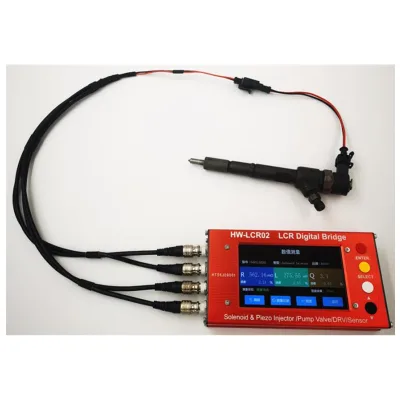

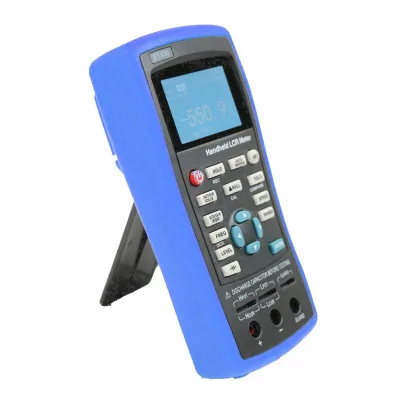
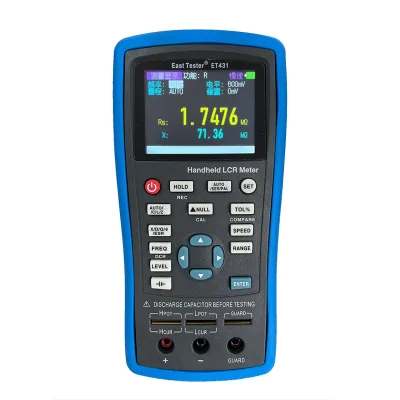
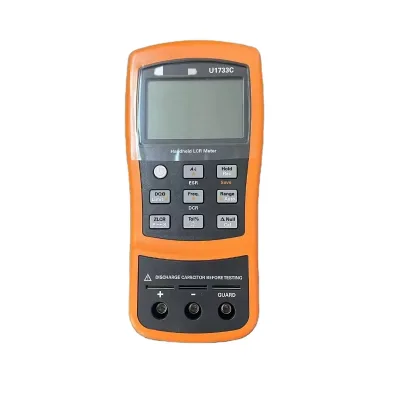


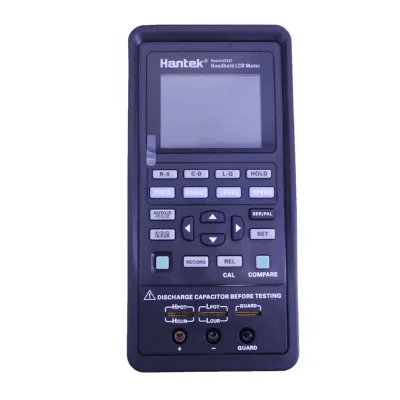
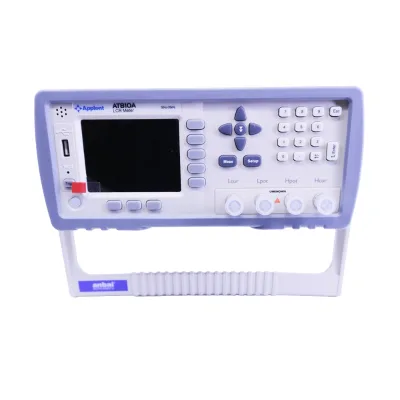


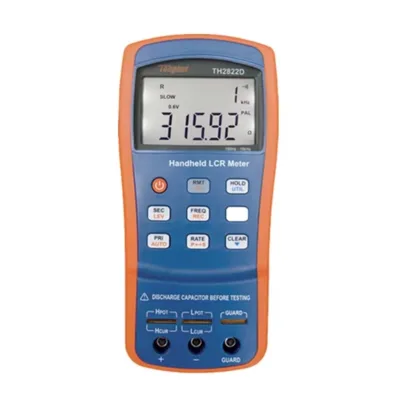


Comprehensive Sourcing Guide
USB Handheld LCR Meter Sourcing Guide
Procuring a USB handheld LCR meter requires balancing portability with precise component analysis capabilities for electronic testing environments. These devices are essential for quality assurance in manufacturing, repair shops, and R&D labs where space is limited but accuracy is critical. Buyers must evaluate the trade-offs between compact form factors and the robustness needed for industrial use, ensuring the selected unit meets specific measurement needs without compromising on data integrity or ease of use.
The market offers various models ranging from basic digital multimeters to advanced handheld units with specialized features like electrolytic capacitor testing and multiple test frequencies. Understanding the distinction between general-purpose LCR meters and those with USB connectivity for data logging is vital. Buyers should focus on devices that offer clear display interfaces, such as TFT LCD screens, and ensure the meter supports the necessary measurement ranges for inductance, capacitance, and resistance relevant to their specific operational workflows.
Product Scope and Observed Listing Signals
Current market listings indicate a diverse range of products, with observed prices spanning from $10 to $8,500 USD, reflecting significant variation in build quality and feature sets. The minimum order quantity (MOQ) typically ranges from 1 to 10 pieces, suggesting flexibility for both individual procurement and small batch orders. Buyers should note that while some listings advertise high supply abilities, such as 100 sets per month, others may have stricter production constraints, so verifying availability early in the sourcing process is prudent to avoid delays.
Product attributes vary widely, with brands like BEACON and East Tester appearing in the landscape, alongside generic descriptors. Key specifications observed include weights ranging from 1kg to 3kg, indicating differences in internal components and housing durability. Some models feature standard export plywood box packaging, while others use simple boxes, which impacts shipping costs and protection during transit. Buyers must carefully cross-reference these observed signals with their actual technical requirements, as generic listings may not always reflect the precise performance capabilities needed for critical applications.
Technical Specifications to Verify
When evaluating technical specifications, buyers should prioritize the measurement accuracy and range to ensure compatibility with their components. For instance, some models offer a basic accuracy of 0.30% or 0.2%, with resistance ranges extending from 2 Ohms to 200 Mohms. It is crucial to verify the test frequencies supported, such as 100Hz, 120Hz, 1kHz, 10kHz, 40kHz, and 100kHz, as different components require specific frequencies for accurate characterization. Additionally, check if the device supports electrolytic capacitor mode, which is essential for testing polarized capacitors commonly found in power supplies.
Display and interface capabilities are equally important for user experience and data management. Look for models with 2.8-inch TFT LCD displays and measurement speeds of 1/s to 4/s, allowing for efficient testing in high-volume environments. USB and RS-485 communication interfaces enable seamless data transfer to computers for analysis and logging, which is vital for quality control records. Buyers should also confirm the display digit resolution, such as 5 bits for main parameters, to ensure sufficient precision for their specific tolerance requirements.
Compliance and Safety Documentation
Compliance with international standards is a non-negotiable aspect of sourcing electronic test equipment. Buyers must verify that suppliers provide valid certifications, such as ISO9001, which indicates adherence to quality management systems. While specific safety certifications like CE or FCC are not explicitly listed in all observed data, they are typically required for electronic devices sold in global markets. Procurement teams should request copies of these certificates to ensure the product meets regional regulatory requirements, thereby avoiding customs delays or legal liabilities.
Protection class ratings, such as IP67, offer insights into the device's durability against dust and water ingress, which is beneficial for field service applications. However, buyers should not assume all models possess this rating without explicit confirmation from the supplier. It is also important to check for warranty terms, with one year being a common offering, to protect against manufacturing defects. Ensuring that the product comes with proper documentation, including user manuals and calibration certificates, is essential for maintaining operational standards and traceability in professional environments.
Cost Drivers and Commercial Terms
Several factors influence the final cost of a USB handheld LCR meter, including the complexity of the measurement circuitry, display quality, and communication interfaces. Models with higher accuracy, such as 0.002%, or those supporting multiple test frequencies and advanced features like SCPI commands, tend to be priced higher. Buyers should also consider the packaging details, as standard export plywood boxes may incur higher shipping costs compared to simpler box packaging, impacting the total landed cost.
Commercial terms such as MOQ and supply ability directly affect procurement strategy. While some suppliers offer an MOQ of just one piece, others may require larger orders to achieve competitive pricing. The supply ability, observed at 100 sets per month for some models, suggests that buyers planning for larger deployments should engage with suppliers early to secure inventory. Additionally, customization options, including OEM support, may incur additional costs but can be valuable for branding or specific interface requirements, so buyers should clarify these terms upfront.
Supplier Qualification and Quality Control
Supplier qualification is critical to ensuring the reliability of the sourced LCR meters. Buyers should verify the supplier's place of origin, with many products originating from Zhejiang, China, a hub for electronic manufacturing. It is advisable to request samples before placing bulk orders to assess build quality, display clarity, and measurement accuracy firsthand. Suppliers offering customization support, such as OEM services, should be evaluated for their ability to maintain consistent quality across customized batches.
Quality control processes should be transparent and documented. Buyers should inquire about the testing procedures used before shipment, including calibration checks and functional tests. The condition of the product, typically listed as "New," should be confirmed, and any signs of refurbishment or used components should be explicitly disclosed. Establishing a clear communication channel with the supplier for addressing any quality issues or discrepancies is essential for maintaining a successful procurement relationship and ensuring long-term satisfaction with the equipment.
Long-Term Procurement Checks
Long-term procurement success depends on the availability of spare parts, software updates, and ongoing technical support. Buyers should verify if the supplier provides firmware updates for the USB interface or measurement algorithms, which can enhance functionality over time. Additionally, checking the availability of accessories, such as test leads and probes, ensures that the device remains operational without frequent downtime. Suppliers with a strong track record in the industry are more likely to provide consistent support and product improvements.
Warranty and after-sales service are key considerations for minimizing total cost of ownership. A one-year warranty is common, but buyers should clarify the terms for repairs or replacements, including who bears the shipping costs for defective units. It is also important to monitor the supplier's stability and ability to meet supply commitments, especially if the product is part of a larger production line. Regularly reviewing performance metrics and user feedback can help identify potential issues early and ensure that the procurement strategy aligns with evolving business needs.
FAQs
What is the basic accuracy of the ET430 handheld LCR meter?
The ET430 handheld digital LCR meter offers a basic accuracy of 0.30%, which suits general component testing and incoming inspection work. Accuracy depends on the test frequency, the measured parameter, and the selected measurement speed, so verify conditions before critical measurements. Main parameters L, C, R, and Z are displayed with five digits alongside secondary parameters such as D, Q, theta, and ESR.
Which test frequencies does the ET430 handheld LCR meter support?
The ET430 supports test frequencies of 100Hz, 120Hz, 1kHz, 10kHz, 40kHz, and 100kHz. These settings cover common component measurement needs, including electrolytic capacitor testing, which has a dedicated mode. Lower frequencies are typically used for larger capacitance values, while higher frequencies suit inductors and smaller components. Confirm the required frequency for your device under test before selecting a model.
What measurement range does the ET430 LCR meter cover?
The ET430 measures inductance from 0.000 microhenries to 2000H, capacitance from 0.000pF to 20.000mF, and resistance from 0.0001 ohms to 200.00Mohms. This broad range handles most passive component testing tasks. Measurement display speed is selectable at 1, 2, or 4 readings per second, letting you trade speed for stability depending on production or laboratory needs.
Which communication interfaces are available on these handheld LCR meters?
Available models list USB, RS-485, and SCPI as communication interfaces, enabling connection to computers and automated test setups. SCPI command support is useful when integrating the meter into scripted test sequences or production lines. Before ordering, confirm which interfaces a specific model includes, since configurations can vary between listings, and request details on supported software commands for your integration.
What is the display like on the ET430 handheld LCR meter?
The ET430 uses a 2.8 inch TFT LCD display showing main parameters and secondary parameters with five digits each. Both L, C, R, Z and sub-parameters such as X, D, Q, theta, and ESR can be read at once. The color screen improves readability of measurement results in field and bench environments. Check the product page for display details specific to each listed model.
What packaging and warranty are provided for these LCR meters?
Listings indicate standard export packaging, with some products shipped in a box and one model packed in a standard export plywood box. Warranty is listed as 1 year, and products are described as new condition. Packaging details and warranty terms can differ between individual listings, so confirm the exact packing method and warranty coverage with the supplier before placing your order.
Can the handheld LCR meters be customized or ordered with OEM support?
Yes, customization is listed as available, and OEM support is offered on listed products. This can include branding or configuration adjustments depending on the supplier and order volume. Because customization scope and requirements are not specified on the page, contact suppliers to discuss your specific needs, including any minimum order quantities, lead times, and additional costs tied to customized units.
What is the minimum order quantity for a USB handheld LCR meter?
The listed minimum order quantity is 1 piece, so single-unit purchases are possible for evaluation or small projects. Some listings may specify different MOQ terms, and customized orders can carry higher minimums. Supply ability is noted as 100 sets per month for one digital multimeter listing, which matters for larger recurring orders. Confirm MOQ and production capacity with each supplier directly.